

2026 Office Furniture Procurement Trends for Modern Workspaces
Procuring the right office furniture is becoming more complex as work environments evolve rapidly. Many businesses face the challenge of balancing limited budgets with the need for high-quality, flexible workspaces. In 2026, successful procurement strategies focus on sustainability, employee wellness, and technological integration to create high-performing office environments.
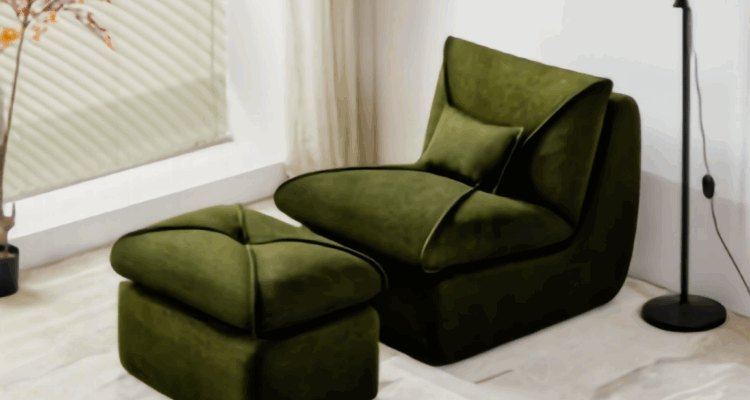
1. Prioritizing Sustainable Material Sourcing
In 2026, sustainable office furniture procurement is no longer optional for leading enterprises. Companies are moving toward a circular economy by selecting furniture made from recycled ocean plastics and certified reclaimed wood. This shift helps reduce carbon footprints while appealing to eco-conscious employees and stakeholders.
To implement this, look for suppliers who provide detailed environmental impact reports for each product line. Prioritize furniture that is designed for easy disassembly and recycling at the end of its lifecycle. Sustainable sourcing ensures long-term compliance with tightening environmental regulations.
2. Integrating Smart Technology into Workstations
Smart office furniture trends 2026 emphasize the seamless integration of technology into every desk and chair. Modern workstations now feature built-in wireless charging, cable management systems, and IoT sensors that track desk occupancy. These features help facility managers optimize floor plans based on actual usage data.
Procurement teams should focus on furniture that supports high-speed connectivity and future-proof power solutions. Investing in tech-ready furniture reduces the need for messy external wiring and additional hardware. This creates a cleaner, more efficient workspace that supports digital-first operations.
3. Adapting to Hybrid Work Furniture Needs
The rise of hybrid work models has forced a shift in how companies buy office equipment. Procurement managers are now purchasing smaller, high-quality furniture batches for home-office stipends alongside traditional office setups. This dual-track approach ensures consistency in employee ergonomics regardless of their physical location.
When selecting hybrid office furniture solutions, prioritize portability and ease of assembly. Consider offering employees a curated catalog of approved ergonomic chairs and compact desks. This maintains brand standards and ensures all staff members have access to professional-grade equipment.
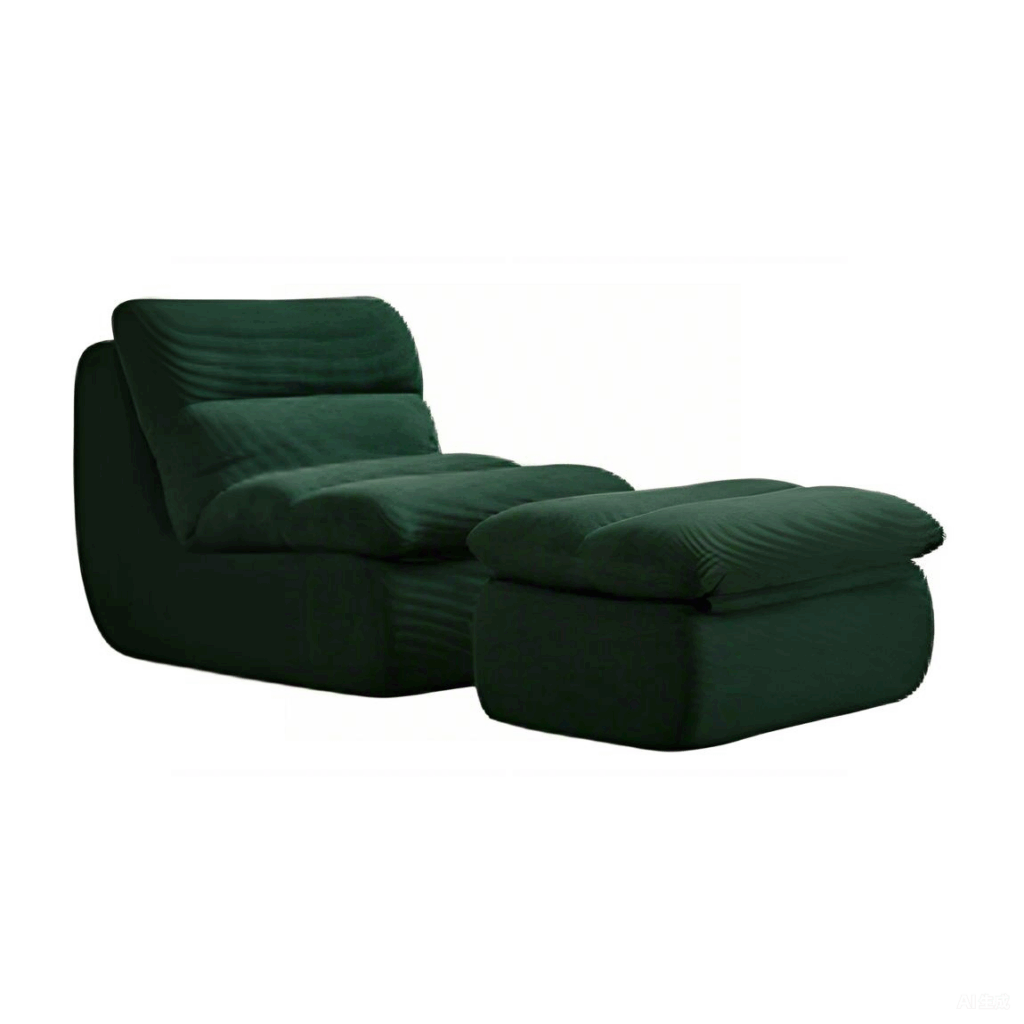
4. Investing in Modular and Scalable Designs
Fixed office layouts are being replaced by modular office desk systems that can be reconfigured in minutes. These systems allow businesses to expand or contract their workspace without the cost of complete renovations. Modular furniture provides the agility needed to respond to changing team sizes and project requirements.
Look for interlocking desk components and mobile acoustic partitions that can create private zones or open collaborative areas. These versatile pieces maximize the utility of every square foot in your office. Scalable designs are particularly valuable for growing startups and agile corporate departments.
| Feature | 2025 Focus | 2026 Trend |
|---|---|---|
| Primary Goal | Cost Reduction | Flexibility and Wellness |
| Material | Standard Composites | Bio-based and Recycled |
| Technology | External Power Strips | Integrated IoT and Charging |
| Layout | Fixed Open Plan | Modular and Reconfigurable |
5. Focusing on Ergonomics and Employee Wellness
Employee health has become a central pillar of ergonomic office chair procurement in 2026. Buyers are looking for chairs with advanced lumbar support, breathable mesh fabrics, and intuitive adjustment mechanisms. Wellness-focused furniture directly impacts employee retention and reduces absenteeism related to musculoskeletal issues.
Incorporate sit-stand desks as a standard offering rather than a luxury upgrade. Include anti-fatigue mats and monitor arms to complete the ergonomic circuit. Investing in wellness-centric furniture demonstrates a clear commitment to the physical health of your workforce.
6. Utilizing Space Analytics for Better Planning
Data-driven procurement is a major trend for 2026, using furniture asset management software to guide buying decisions. Sensors embedded in furniture provide real-time data on which areas of the office are most popular. This information prevents over-purchasing and helps identify underutilized assets that can be repurposed.
Use these analytics to determine if you need more collaborative lounge seating or private focus pods. Data removes the guesswork from furniture procurement, ensuring that every dollar spent aligns with actual employee behavior. This leads to more efficient space utilization and lower overhead costs.
7. Strengthening Supply Chain with Local Sourcing
To avoid the delays of the past, 2026 procurement strategies favor local and regional furniture manufacturers. Sourcing closer to home reduces lead times and shipping costs while supporting the local economy. It also allows for easier quality inspections and more responsive customer service from the supplier.
Evaluate wholesale office furniture suppliers based on their proximity to your main office hubs. Local sourcing also reduces the carbon footprint associated with long-distance logistics. This strategy builds a more resilient supply chain that is less vulnerable to global shipping disruptions.
8. Maximizing Value through Bulk Wholesale Purchasing
Cost management remains vital, and bulk office furniture discounts are the most effective way to stay under budget. By consolidating orders through a single wholesale partner, businesses can negotiate better pricing and standardized service agreements. Wholesale partnerships often include value-added services like professional installation and long-term maintenance.
Develop a long-term relationship with a manufacturer that offers a wide range of products from desks to acoustic panels. Centralizing your procurement through one vendor ensures aesthetic consistency across multiple office locations. This approach simplifies the billing process and streamlines communication for future furniture needs.
Future-Proofing Your Office Procurement
The office furniture procurement trends of 2026 emphasize a balance between technology, sustainability, and human-centric design. By adopting modular systems and focusing on employee wellness, companies can create environments that foster innovation and productivity. Staying ahead of these trends ensures that your workspace remains a competitive asset in the modern business landscape.
Successful procurement requires a strategic partnership with reliable suppliers who understand these evolving needs. As you plan your next office upgrade, prioritize flexibility and data-driven decisions to maximize your investment.
Need a tailored shipping solution?
Ready to modernize your workspace with the latest 2026 trends? Contact our expert team today to discuss your project requirements. Request A Quote now for bulk pricing and professional office design consultation.