

Office Furniture Procurement Guide: 2026 Strategy for Success
“Upgrading your workspace in 2026 requires more than just picking desks. Managing costs while ensuring employee comfort is a major challenge for modern procurement managers. This guide provides a roadmap to streamline your purchasing process and maximize your return on investment.”

1. Assessing Your Modern Workspace Needs
❖The first step in any office furniture procurement guide is evaluating how your team actually works. With hybrid office layout planning becoming the standard in 2026, you need to balance collaborative zones with quiet focus areas.
Survey your employees to understand their physical requirements. Identify if your current inventory lacks modern features like integrated power outlets or acoustic privacy screens.
Conducting a thorough needs assessment prevents over-ordering unnecessary items. Focus on versatile pieces that can adapt to changing team sizes and project types.
2. Setting a Realistic 2026 Furniture Budget
❖Budgeting for commercial furniture requires a clear understanding of wholesale office furniture pricing trends. Prices have stabilized in 2026, but quality remains the primary driver of long-term value.
Allocate funds based on usage frequency. High-traffic areas like breakrooms and conference rooms require more durable, higher-end finishes than storage closets.
Use the following table to estimate baseline costs for common 2026 office furniture categories.
| Furniture Category | Estimated Unit Cost (USD) | Expected Lifespan |
|---|---|---|
| Ergonomic Task Chairs | 250 – 600 | 8-10 Years |
| Adjustable Height Desks | 400 – 900 | 10+ Years |
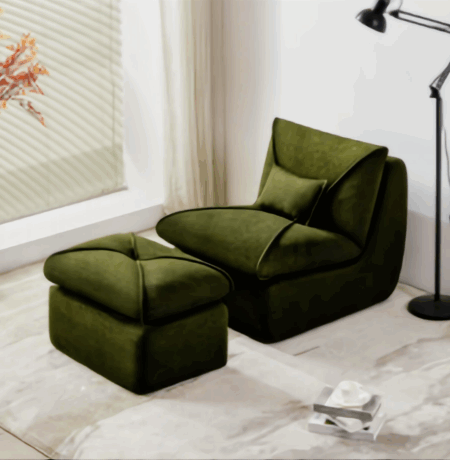
| Modular Lounge Seating | 800 – 2500 | 5-7 Years |
| Collaborative Work Tables | 600 – 1500 | 10+ Years |
3. Prioritizing Ergonomic Standards for Employee Wellness
❖In 2026, employee health is a top priority for corporate procurement. Investing in adjustable height standing desks allows workers to switch positions throughout the day, reducing fatigue.
Look for chairs with 4D armrests and adjustable lumbar support. These features are no longer luxuries but essential components of a productive work environment.
Proper ergonomics reduce the risk of workplace injuries and absenteeism. Ensure all selected pieces meet the latest BIFMA safety and comfort standards.
4. Evaluating Sustainable Material Choices
❖Eco-friendly office furniture sourcing is a key requirement for modern ESG reporting. Choose suppliers that use recycled metals, FSC-certified wood, and low-VOC finishes.
Sustainability also involves the longevity of the product. High-quality furniture that lasts ten years is far better for the environment than cheap alternatives that end up in landfills.
Ask potential vendors for their environmental certifications. Transparency in the commercial furniture supply chain is vital for maintaining your brand reputation.
5. Navigating Bulk Purchase Lead Times
❖Timing is everything when managing a large-scale office fit-out. Understanding the commercial furniture supply chain helps you avoid project delays.
In 2026, standard lead times for bulk office furniture range from 4 to 12 weeks. Custom configurations often require additional time for manufacturing and quality testing.
Always build a buffer into your project timeline. Order your core furniture pieces at least three months before your scheduled move-in or renovation date.
6. Choosing Between Custom and Ready-to-Ship Items
❖Modular office workstations offer a balance between customization and speed. These systems allow you to choose specific colors and layouts while using standardized components.
Ready-to-ship items are ideal for rapid expansions or replacing broken equipment. However, they may lack the specific branding or dimensions required for a bespoke office design.
Consider a hybrid approach. Use custom pieces for client-facing areas and standardized modular systems for general staff workspaces to optimize your budget.
7. Verifying Supplier Quality and Warranty Terms
❖Never finalize a purchase without reviewing the B2B furniture warranty standards. A reputable manufacturer should offer at least a 5-to-10-year warranty on structural components.
Request physical samples or visit a showroom before committing to a large order. Testing the fabric durability and mechanical parts of a desk is essential.
Check supplier reviews and references from other businesses in your industry. Reliable after-sales support is just as important as the initial purchase price.
8. Streamlining the Assembly and Installation Process
❖Professional office furniture installation is the final hurdle in the procurement process. Coordinating delivery with your building management is crucial to avoid logistical bottlenecks.
Ensure your supplier provides a clear assembly plan or on-site installation services. Improperly assembled furniture can void warranties and create safety hazards.
Dispose of packaging materials responsibly. Many 2026 furniture providers now offer take-back programs for cardboard and protective plastics to support zero-waste initiatives.
Finalizing Your 2026 Office Strategy
Successful office furniture procurement requires a strategic blend of budget management, ergonomic focus, and sustainability. By following this guide, you ensure your workspace is ready for the demands of 2026.
Remember that the best furniture is an investment in your people. Quality pieces improve productivity, enhance office aesthetics, and provide long-term cost savings through durability.
Ready to streamline your logistics?
Ready to transform your workspace with high-quality solutions? Visit our catalog to explore 2026 designs or contact our experts today. Request A Quote now to receive customized pricing for your bulk order.
Request Quote