

Office Furniture Sourcing for Government Offices
Government agencies in 2026 face the dual challenge of modernizing workspaces while adhering to strict procurement regulations. Finding the right balance between durability, cost-effectiveness, and compliance is essential for any public sector renovation. This guide explores how to navigate the complexities of sourcing high-quality furniture for federal and local offices.
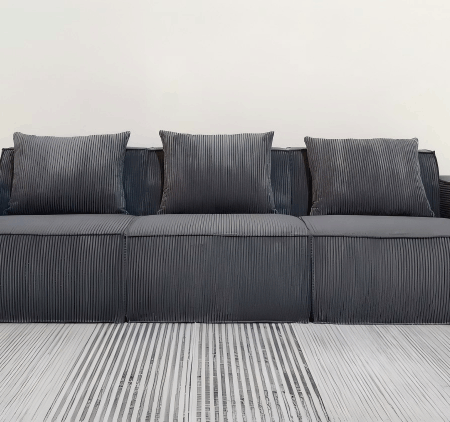
1. Navigating GSA Compliance and Contract Requirements
Sourcing furniture for government entities requires strict adherence to GSA schedules and federal acquisition regulations. Procurement officers must ensure that all vendors meet specific certification standards to maintain legal compliance.
Working with pre-approved vendors simplifies the bidding process and ensures that the furniture meets safety and quality benchmarks. Always verify that products are BIFMA and TAA compliant to avoid procurement delays or legal hurdles in 2026.
2. Maximizing Value within Fixed Government Budgets
Public sector projects often operate under tight fiscal constraints that require maximum ROI for every dollar spent. Bulk office furniture discounts are the most effective way to stay within budget while outfitting large departments.
Consider the total cost of ownership rather than just the initial purchase price. High-quality materials reduce the need for frequent replacements, providing better long-term value for taxpayers and agencies alike.
| Furniture Type | Expected Lifespan | Maintenance Level | Cost Efficiency |
|---|---|---|---|
| Steel Desks | 15+ Years | Low | High |
| Ergonomic Chairs | 8-10 Years | Medium | Medium |
| Modular Cubicles | 12+ Years | Medium | High |
| Reception Seating | 5-7 Years | High | Medium |
3. Prioritizing Ergonomic Standards for Public Sector Staff
Employee wellness is a major focus for government agency space planning in 2026. Investing in ergonomic government seating reduces workplace injuries and increases productivity across administrative departments.
Look for height-adjustable desks and chairs with lumbar support that accommodate a wide range of body types. Providing adjustable workstations ensures that the office remains inclusive and compliant with modern health standards.
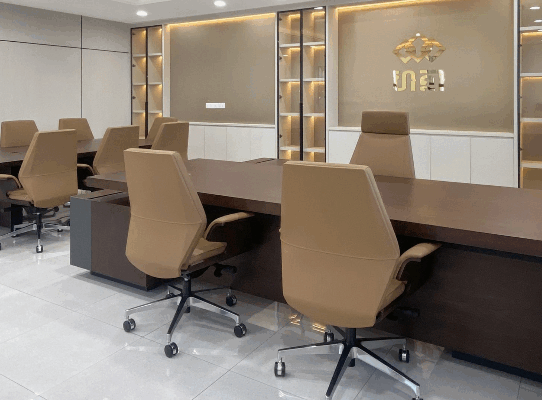
4. Sustainable Furniture Solutions for Green Initiatives
Many government mandates now require the procurement of sustainable and eco-friendly products. Choosing LEED certified furniture options helps agencies meet environmental goals and reduce their carbon footprint.
Seek out manufacturers that use recycled steel, sustainably harvested wood, and low-VOC finishes. Sustainable sourcing is no longer optional but a core requirement for most federal and state-level furniture contracts.
5. Durability and Lifecycle Costs of High-Traffic Furniture
Government offices often experience higher foot traffic and more intensive use than private sector spaces. Heavy-duty federal furniture is designed to withstand 24/7 operations in facilities like emergency centers or security hubs.
Prioritize scratch-resistant laminates and reinforced metal frames to ensure longevity. Durable furniture reduces the frequency of maintenance requests and keeps the office looking professional for years to come.
6. Streamlining the RFP and Bidding Process for Agencies
The Request for Proposal (RFP) process can be daunting without clear specifications and requirements. Clearly define the technical needs, such as fire ratings and weight capacities, to get accurate quotes from vendors.
Utilizing digital procurement platforms can speed up the evaluation of bids. Ensure your chosen partner has experience handling the specific documentation required for public sector accounting and auditing.
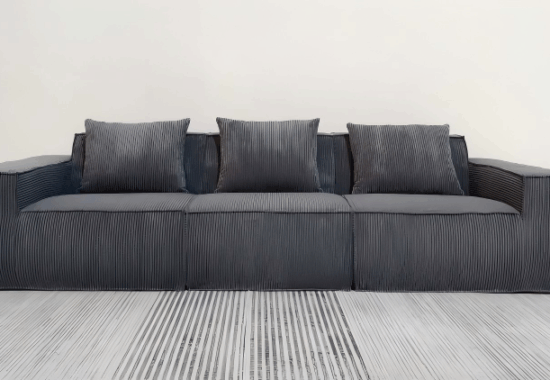
7. Space Planning for Modern Hybrid Government Offices
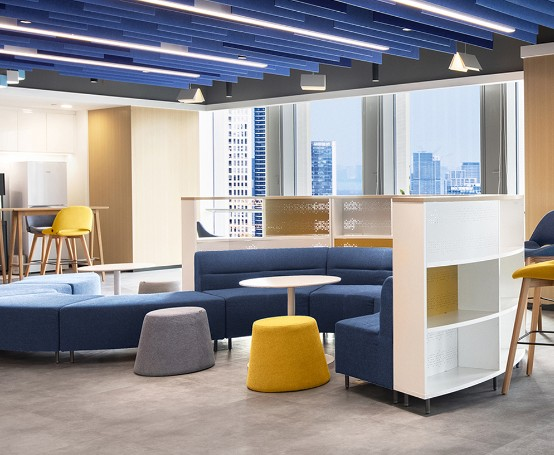
As hybrid work models become standard, government offices are shifting toward flexible, modular workstations. Modular furniture allows for easy reconfiguration as department sizes and needs change throughout the year.
Incorporate collaborative zones alongside private focus areas to support different work styles. Smart space planning maximizes square footage and ensures that the office remains functional for both in-person and remote staff.
8. Managing Large-Scale Delivery and Installation Logistics
Coordinating the delivery of hundreds of items requires a vendor with a robust logistics network. Professional installation teams ensure that furniture is assembled correctly and that all electrical components are safely integrated.
Schedule installations during off-peak hours to minimize disruption to agency operations. A successful rollout includes a final walkthrough to verify that every piece of furniture meets the project specifications.
The Future of Government Workspace Procurement
Successful office furniture sourcing for government offices in 2026 relies on balancing regulatory compliance with modern design. By prioritizing durability, ergonomics, and sustainability, agencies can create productive environments that serve the public interest.
Partnering with experienced wholesale providers ensures that procurement is seamless, cost-effective, and fully compliant with all legal standards. Start planning your next agency upgrade today to build a better workspace for tomorrow.
Need a tailored shipping solution?
Ready to upgrade your agency workspace with compliant and durable solutions? Contact our government procurement specialists today to discuss your project requirements. Request a Quote at [URL] or call our support team for immediate assistance.