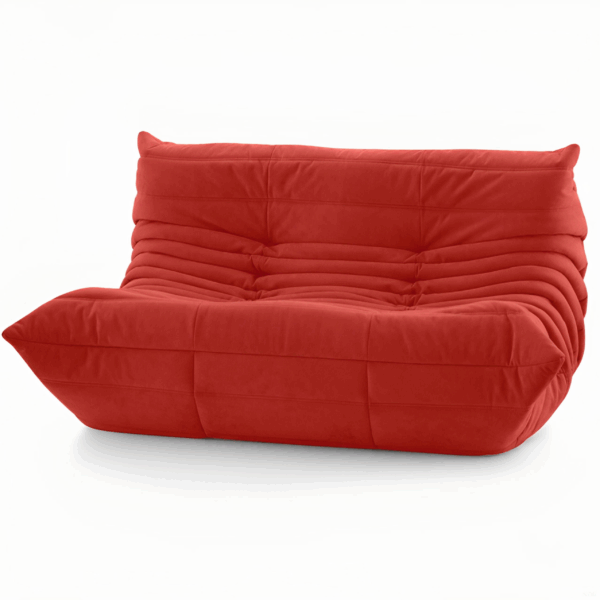

2026 Guide to Office Furniture for Flexible Workspace
Many business owners struggle to adapt their traditional office layouts to the needs of a modern, hybrid workforce. Static environments often hinder productivity and fail to accommodate varying team sizes throughout the week. Investing in the right office furniture for flexible workspace in 2026 transforms these challenges into a competitive advantage.
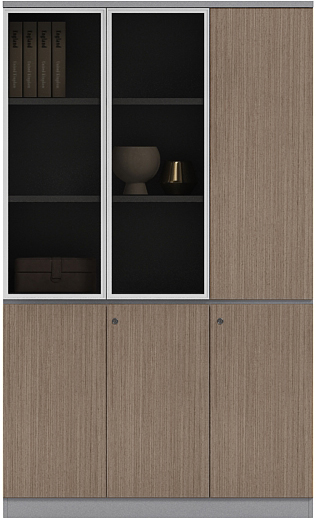
1. Solving Fixed Layout Problems with Modular Desks
Traditional fixed desks often lead to wasted square footage when staff numbers fluctuate. Modular office furniture allows you to rearrange the floor plan in minutes to suit daily needs.
These systems use interlocking components that can transition from individual workstations to large conference tables. This adaptability is essential for businesses operating on a hybrid schedule in 2026.
| Feature | Modular Furniture | Traditional Furniture |
|---|---|---|
| Adaptability | High – Easily reconfigured | Low – Fixed in place |
| Scalability | Simple to add units | Requires full replacement |
| Space Usage | Optimized for hybrid use | Designed for static density |
2. Addressing Noise Complaints with Acoustic Privacy Pods
Open-plan offices frequently suffer from high noise levels that disrupt deep concentration. Acoustic privacy pods provide a dedicated quiet zone without the need for permanent wall construction.
These soundproof booths are perfect for private calls or focused tasks. They offer a flexible solution that can be moved as your office layout evolves.
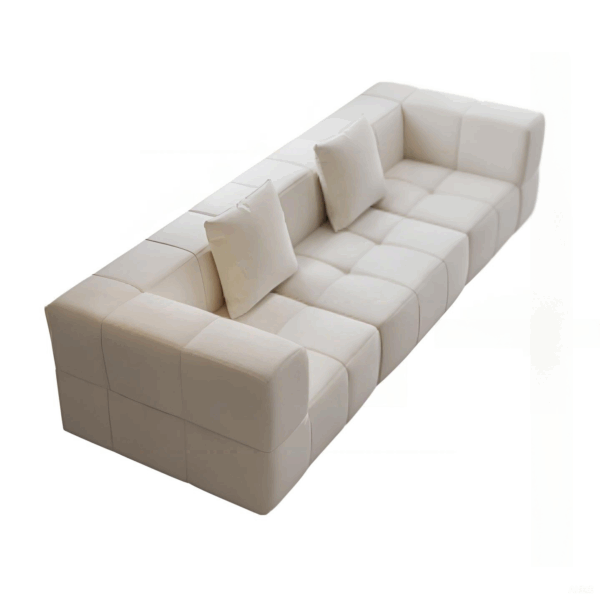
3. Managing Team Growth with Scalable Bench Systems
Rapidly growing teams often outpace their office capacity, leading to cramped and uncomfortable conditions. Scalable benching systems allow for easy expansion by adding mid-sections to existing rows.
This approach minimizes the cost of new furniture while maintaining a cohesive aesthetic. It is a cost-effective way to future-proof your workspace for 2026 and beyond.
4. Promoting Employee Wellness with Sit-Stand Workstations
Sedentary work habits are a major concern for employee health and long-term retention. Electric sit-stand desks encourage movement and reduce the physical strain of long workdays.
Providing height-adjustable options shows a commitment to staff well-being. These desks are now a standard expectation for premium flexible workspaces in 2026.
5. Encouraging Dynamic Collaboration with Mobile Furniture
Stiff, formal meeting rooms can stifle creative brainstorming and spontaneous collaboration. Mobile office furniture, such as tables on casters and portable whiteboards, allows teams to create a hub anywhere.
When furniture is easy to move, employees are more likely to interact and share ideas. This mobility is a hallmark of a truly agile and flexible workspace design.
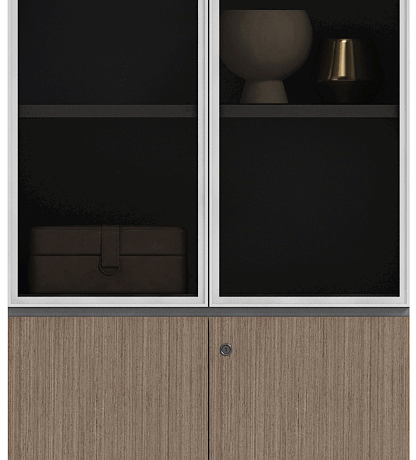
6. Maximizing Limited Square Footage with Multi-Use Storage
Small offices often struggle to find room for both storage and guest seating. Multi-functional storage units with cushioned tops serve as both filing cabinets and extra stools.
Using space-saving office storage helps keep the environment clutter-free and organized. It ensures every piece of furniture provides maximum utility for your investment.
7. Supporting Hybrid Staff with Ergonomic Task Seating
Hot-desking requires chairs that are easily adjustable for different body types throughout the day. High-quality ergonomic task chairs feature intuitive controls for lumbar support and armrest height.
Investing in adjustable ergonomic seating prevents workplace injuries and boosts comfort. In a flexible office, the chair is the most critical piece of equipment for every user.
8. Integrating Modern Technology with Smart Office Tables
Cables and power access are often the biggest hurdles when moving furniture around. Smart office tables with integrated power hubs and wireless charging pads solve this connectivity issue.
These tech-ready solutions ensure that employees can plug in and work from any location. Streamlined cable management keeps the flexible workspace looking professional and tidy.
Embrace the Future of Work with Flexible Solutions
The shift toward flexible workspaces is not just a trend but a fundamental change in how we operate. By selecting modular, ergonomic, and mobile furniture, you create an environment that adapts to your people rather than forcing them to adapt to the space.
In 2026, the most successful offices will be those that prioritize agility and employee comfort. Start upgrading your office furniture today to build a more resilient and productive workplace.
Start Your Shipment
Ready to transform your office? Request a Quote today to receive a customized furniture plan for your flexible workspace. Visit our catalog at [URL] to see our latest 2026 collections.
Request Quote